
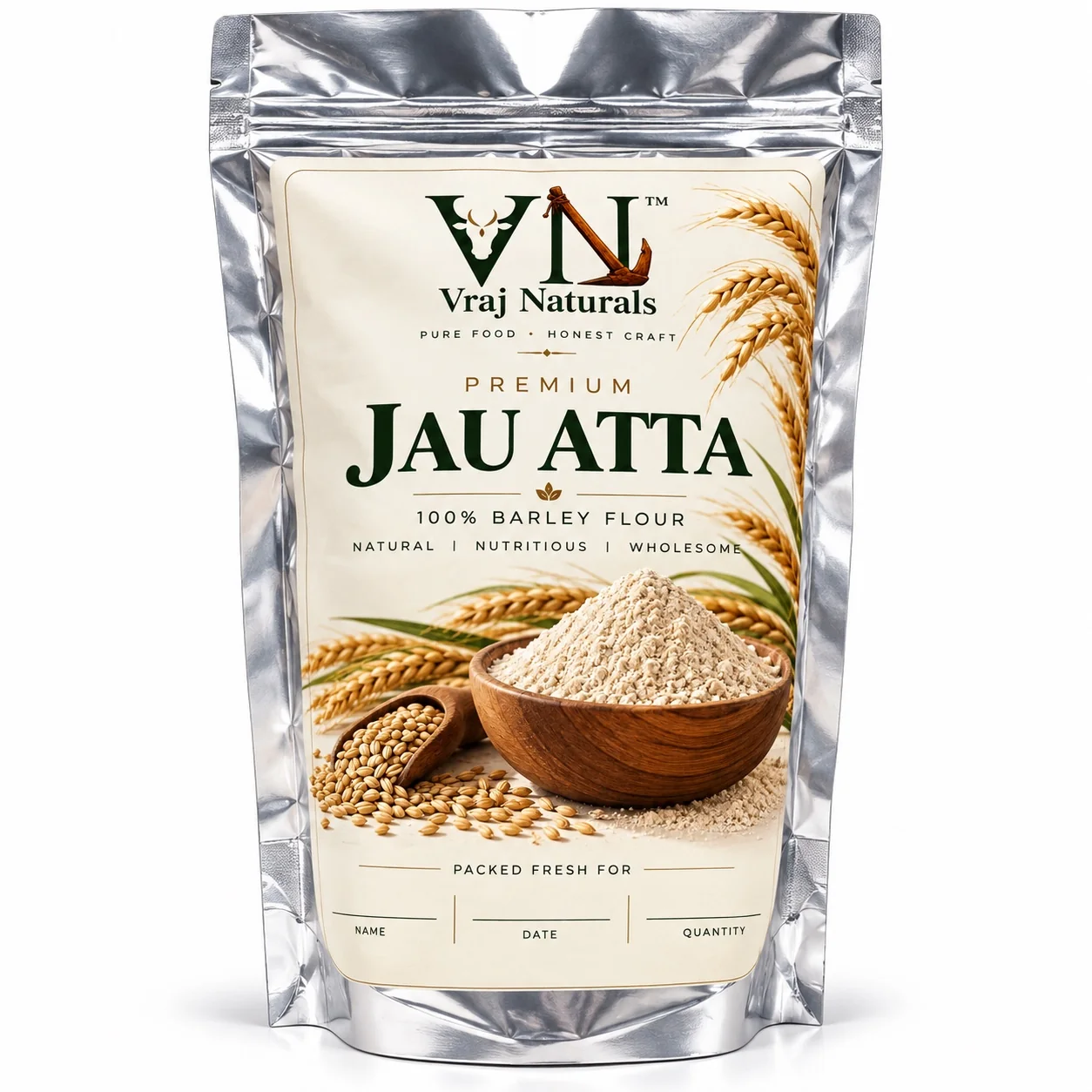
“Traditional grains” is a broad phrase for grains and varieties that have long been grown, traded, cooked, and adapted in different regions. It is not one formal category with a single nutritional profile. The details vary from crop to crop and from one product to another.
Variety makes a difference
Wheat, millet, barley and rice each include different types. Within a crop, varieties can differ in appearance, growing requirements and cooking qualities. Local names may also vary, so labels and supplier information help clarify exactly what is being sold.
Growing place and season
Weather, soil, water availability and farming decisions affect how a crop grows. These conditions can change from season to season. When a seller makes a specific claim about a region, farm or growing method, ask what information supports it.
Processing shapes the final food
Cleaning, de-hulling, polishing, grinding and storage are separate steps. For flour, the grain and milling process affect texture. For rice and pulses, how much of the outer layer is retained can change appearance and cooking time. Read the ingredient and processing details when they are provided.
Choose for your kitchen
Try unfamiliar grains in a small quantity first. Follow the product’s cooking guidance, then adjust water and time to suit your pot and recipe. Traditional foods can add variety to meals, but no one ingredient needs to be treated as a cure-all or a universal replacement for other foods.