
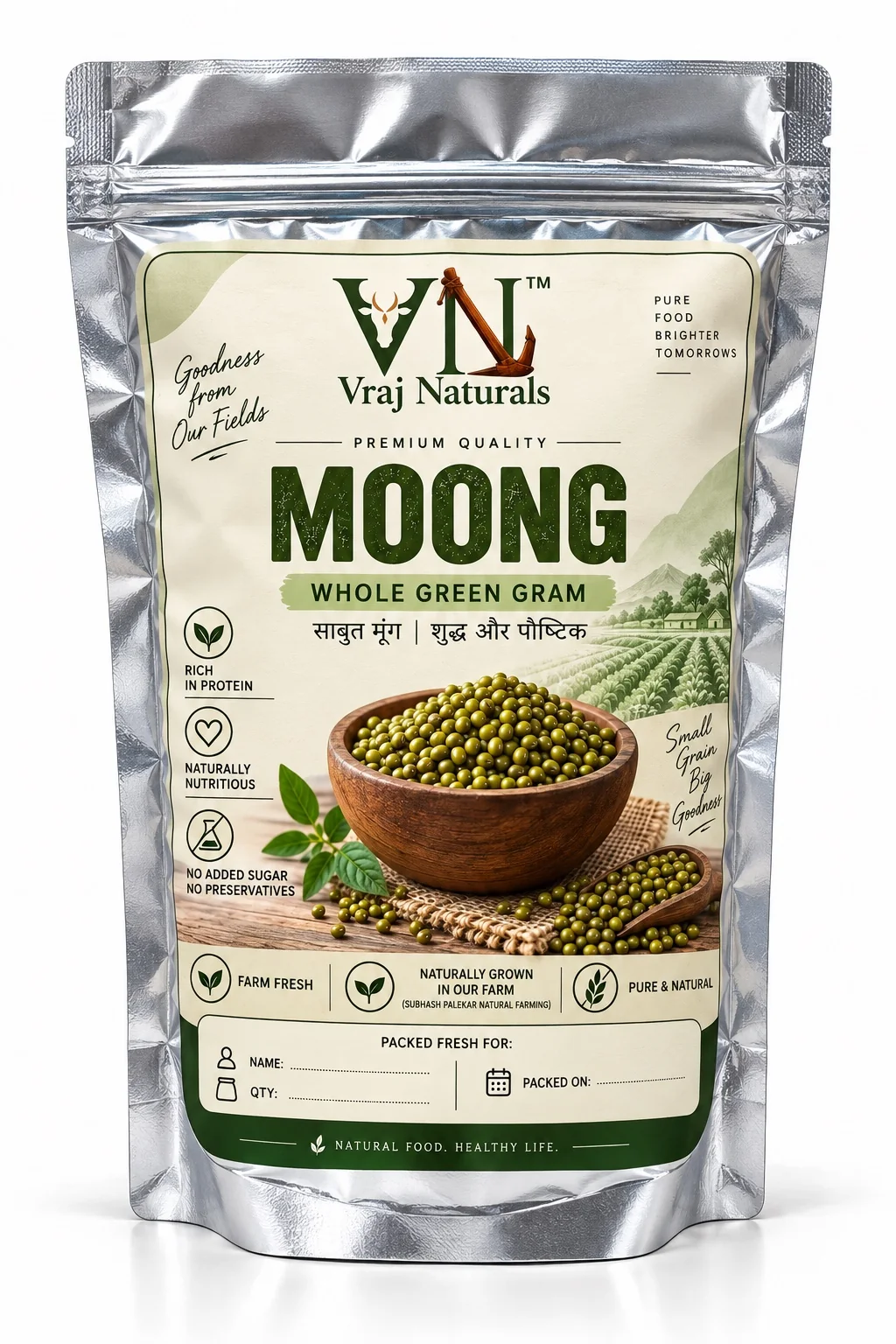
Food traditions are made of everyday choices: what a family cooks, how ingredients are prepared, what is in season, and which recipes are shared. They differ across households and regions, so there is no single way to cook “traditionally.” The most useful practices are the ones that fit your ingredients, time and preferences.
Plan around what you already have
A quick pantry check before shopping can make meal planning easier. Keep a short list of staples you use often and note which packs are running low. Choosing a few versatile grains or pulses can make it simpler to prepare familiar meals through the week.
Prepare ingredients with care
Read the package directions first. Some grains or pulses are rinsed before cooking; others may need soaking or a longer cooking time. Use clean utensils and safe water, and follow a recipe suited to the ingredient. Do not assume that preparation steps are identical across varieties.
Make familiar recipes your own
Start with a family recipe or a trusted cooking guide, then adjust seasoning and texture to your taste. When trying a new flour, grain or pulse, prepare a small quantity first. Note the water and cooking time that worked so you can repeat it.
Enjoy variety without rigid rules
Home cooking can bring together foods from many traditions. There is no need to label one food as universally “good” or another as “bad.” For personal nutrition guidance, especially when managing a health condition, speak with a qualified healthcare professional.